
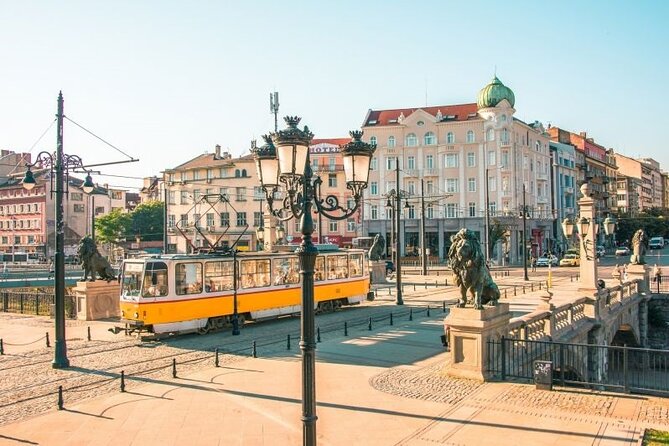
Reviewed · TOURS IN SOFIA
Full Day Sofia Tour
Sofia’s best story is told through its contrasts: a huge Orthodox cathedral, a quiet medieval church, royal apartments, communist-era public buildings, and a UNESCO-listed church on the city’s wooded edge. This full-day tour connects those pieces without making you figure out the transport yourself. The standout is Boyana Church, where the 1259 frescoes are the reason for its UNESCO listing.
I like the included admission to Boyana Church and the National History Museum, and I like the small group size, capped at 16. Guides such as Lubo have earned especially warm praise for adding local stories and personal detail. The drawback is the pace: seven hours covers a lot, but some central sights are brief exterior stops rather than long museum visits.
Key points to know before booking
- Boyana Church is the day’s artistic prize: Its frescoes from 1259 make it one of Sofia’s most important sights.
- The National History Museum ticket is included: You get a useful second indoor visit, not just a city drive-by.
- The route mixes Sofia’s major eras: Orthodox, royal, parliamentary, Russian, communist, and modern Bulgaria all appear.
- Private transport saves time: You can reach Boyana Church without arranging a separate taxi or bus.
- The group is limited to 16 people: That gives your guide more room to answer questions than a large coach tour.
- Lubo is a guide name worth noting: He is praised for clear English, local stories, and a relaxed manner, though guide assignment can vary.
What this seven-hour Sofia tour actually gives you
This is a city overview with two substantial cultural stops. You begin at 9:00 a.m. near the Vasil Levski Monument, north of Alexander Nevsky Cathedral, and finish back at the same meeting point. The day lasts about seven hours, so you should plan for a full morning and afternoon rather than a quick introductory walk.
The tour uses a modern, air-conditioned vehicle. That matters because Boyana Church is outside central Sofia, and private transportation keeps the day from being slowed by public transit connections. You still walk around the central sights, so comfortable shoes are a good idea.
The English-speaking guide remains with you throughout the tour. The best part of this format is the historical thread. Instead of seeing each building as an isolated photo stop, you move from Bulgaria’s Orthodox faith to its royal past, modern government, Russian ties, and communist-era public life.
Other full-day trips around Sofia:
- Rila Monastery and Boyana Church Full-Day Tour
★ 4.5 · 918 reviews - Plovdiv Small Group Full Day Guided Tour from Sofia
★ 4.5 · 235 reviews - Plovdiv and Koprivshtitsa Full-Day Trip
★ 4.5 · 177 reviews
Alexander Nevsky Cathedral sets the scale
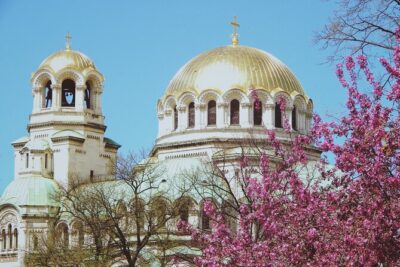
Your first major sight is Alexander Nevsky Cathedral, reached from the meeting point at the Vasil Levski Monument. The cathedral is described as the biggest Orthodox basilica in the Balkans, and its size gives the tour an immediate sense of occasion.
You see the exterior first, then go inside with your guide. The building took 45 years to complete and was funded only by private donations from the people of Bulgaria. That detail gives the cathedral more meaning than its grand domes and stone alone. It was not simply a government monument. It was also a public expression of faith and national identity.
Allow yourself time to look upward once inside. The tour is not only about taking a quick photograph from the square. Your guide can point out the building’s role and explain why it matters to Bulgaria.
The practical limit is that this is an overview tour, not a specialist architecture visit. You should expect interpretation and orientation rather than a long, silent period to study every icon and chapel.
Sofia’s theatre and former royal palace
The next central sights show a different side of the city. The theatre occupies a Neoclassical building designed by Viennese architects Hermann Helmer and Ferdinand Fellner. Its facade is especially photogenic, with figures whose symbolism becomes part of the guide’s explanation.
This is a good example of why a guide helps. You can admire the ornament on your own, but knowing what the figures represent makes the facade easier to read. The stop also adds a touch of Central European style to a city whose buildings reflect many different influences.
The National Art Gallery and National Ethnographic Museum are housed in the former Bulgarian royal palace. You learn about the Saxe-Coburg and Gotha dynasty and the unusual political path of Bulgaria’s last monarch, who later became prime minister after the communist period.
That story gives you a useful bridge between monarchy and modern politics. The palace is not presented as a grand European court frozen in time. Its history is tied to Bulgaria’s changing government and the complicated lives of its kings and queens.
The tour does not list an included interior visit to the National Art Gallery or the Ethnographic Museum, so expect these to be viewed as part of the city route unless your guide says otherwise. The included museum entrance later in the day is for the National History Museum.
Saint Sofia Church and the city’s oldest name
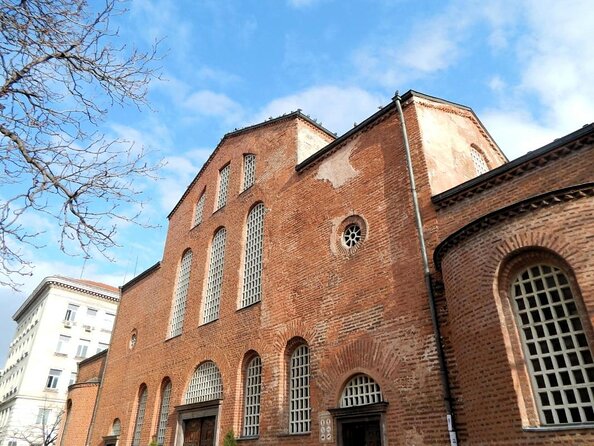
Saint Sofia Church is a short but important stop. The city takes its name from this church, and you go inside with the guide. The listed visit lasts about 15 minutes, with no admission charge.
That short visit works well in the larger program. Saint Sofia is not treated as a separate half-day museum appointment. Instead, it gives you a compact look at one of the religious buildings that helped define Sofia’s identity.
I would pay close attention to the guide here. The value is less about the number of minutes inside and more about understanding why the church gave the capital its name. Since this stop is brief, it may feel quick if you want time for detailed photography or quiet reflection.
Same base, a completely different day:
- Sofia Escape Room – Teorema Rooms
★ 5.0 · 895 reviews - From Sofia: Rila Monastery & Boyana Church Day Tour
★ 4.5 · 866 reviews - Communist Walking Tour of Sofia
★ 5.0 · 690 reviews - Admission Ticket to the Museum of Illusions in Sofia
★ 5.0 · 659 reviews
Parliament, the Russian Church, and TSUM
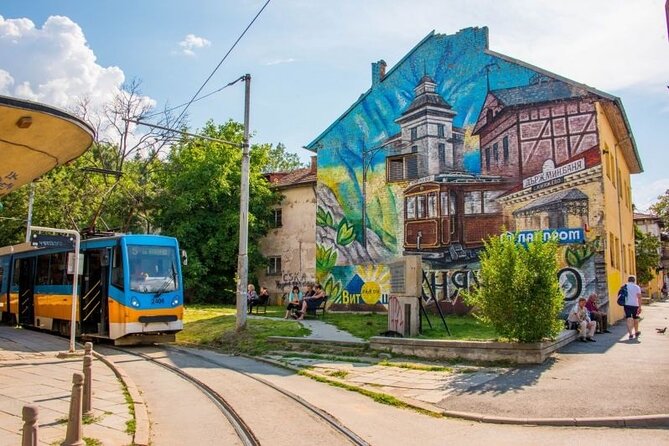
The National Assembly of Bulgaria was completed in 1886 and is protected as a monument of culture because of its historic importance. You see it as part of the central city route, along with the surrounding public buildings.
This stop helps place Sofia’s political story in a physical setting. The building is not just another attractive facade. It represents the country’s parliamentary life and the period when modern Bulgarian institutions were taking shape.
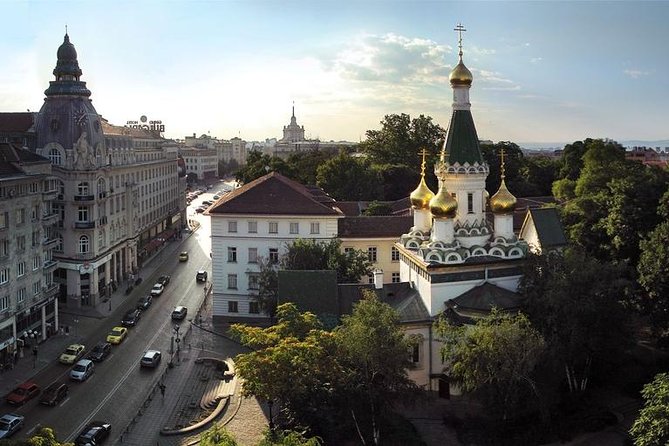
The Russian Church brings a more personal and devotional note. It is known for its beauty, and people visit the grave of Archbishop Serafim, who served there until his death in 1950. Visitors leave notes and pray for their wishes to be granted.
That detail gives the church a living purpose. You are not only looking at painted surfaces and domes. You are seeing a place that still matters to people who come with private hopes.
TSUM, the iconic central shopping center, adds a view of Bulgaria’s communist-era public architecture. It opened in 1956 and shares its building with the Council of Ministers. The pairing is revealing: retail and state power occupy the same city block, reflecting the way public and commercial life were organized during that period.
These stops are mainly sightseeing and explanation rather than long interior visits. If you want extensive shopping time or a full visit to the Russian Church, this tour may feel too structured. If you want a clear city orientation, the sequence works well.
Boyana Church and its 1259 frescoes
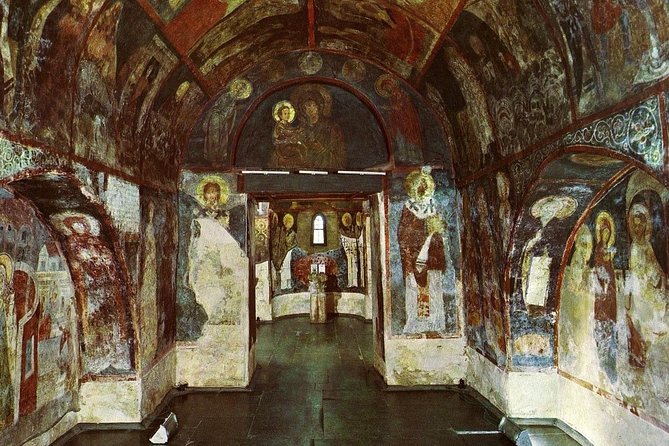
Boyana Church is the strongest reason to choose this tour over a basic central Sofia walk. It is the closest UNESCO site to Sofia’s city center, and its second layer of frescoes dates from 1259.
The church is small, so the visit has a different mood from the vast Alexander Nevsky Cathedral. At Boyana, the art is close and focused. You can pay attention to the faces, gestures, and painted scenes rather than trying to take in a huge interior all at once.
Admission is included, and the visit is listed at about 15 minutes. That is enough for an introduction, but it is not generous if you want to linger. The church’s importance comes from the frescoes, so listen carefully while your guide explains what makes them significant.
One useful detail from the day is the mention of a California sequoia in the gardens near the church. It is an unexpected sight beside a medieval Bulgarian monument and makes the stop more memorable. The gardens give you a little breathing room after the city center, though the tour is still organized around the church rather than a long garden visit.
Because Boyana Church is outside central Sofia, the included vehicle is especially useful here. You do not need to work out the route or lose time changing transportation. The tradeoff is that the schedule controls how long you remain at the site.
The National History Museum adds the wider picture
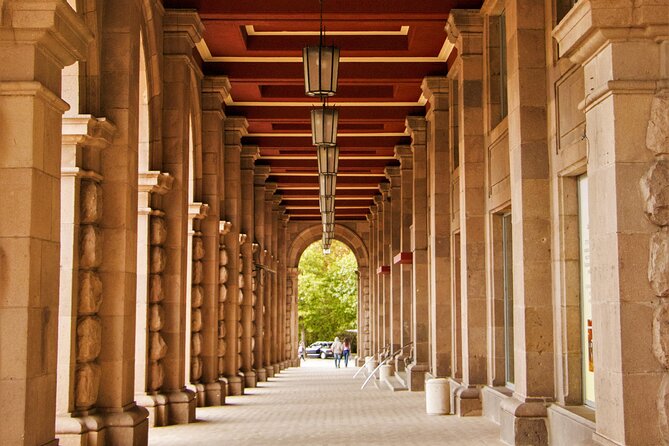
Admission to the National History Museum is included along with Boyana Church. The supplied schedule does not give a precise visit length, so the amount of time inside can depend on the day’s traffic, guide decisions, and the group’s pace.
This museum helps turn the city tour into a broader introduction to Bulgaria. The central stops show you monuments and institutions, while the museum gives the national story a larger frame. It is also a useful complement to Boyana Church: one focuses closely on medieval art, while the museum provides a wider look at the country’s past.
The tour is a good fit if you want a structured first visit rather than a single-site excursion. You will not have to choose between spending your whole day in the center and arranging a separate trip to Boyana. Both are built into one route.
Why the guide can make or break the day
A seven-hour schedule with many stops depends heavily on the guide. The strongest guide comments center on Lubo, who is praised for speaking excellent French in one case, as well as English, and for mixing historical facts with personal anecdotes and local stories.
That style suits Sofia well. The city’s buildings can seem disconnected if you only collect dates and names. A guide who explains the people behind the monuments, the royal family’s political turns, and the customs connected with the Russian Church can make the route feel much more human.
Lubo is not guaranteed as your guide, so I would not book solely on the assumption that he will lead your departure. Still, the praise attached to him tells you what to hope for: a relaxed guide who explains more than the basic script and helps you decide what to see next on your own.
The group limit of 16 is another practical plus. It is small enough for questions without promising the intimacy of a private tour. One booking notes a private experience, but the advertised maximum is 16, so you should expect a small shared group unless your confirmation says otherwise.
Is $115.59 a fair price?
At $115.59 per person, this is not the cheapest way to see Sofia. The value comes from what is bundled together: about seven hours, an English-speaking guide, air-conditioned transportation, Boyana Church admission, and National History Museum admission.
A self-guided day would cost less, especially since several exterior sights and Saint Sofia Church do not require an admission fee. You would then need to arrange transport to Boyana Church, buy the museum tickets separately, and build your own route between the cathedral, palace, theatre, churches, parliament, and TSUM.
I think the price is reasonable if you want one efficient day and prefer not to manage those details. It is less compelling if you already know Sofia well or mainly want free time for shopping and independent museum visits.
Group discounts may reduce the cost for larger bookings. The tour is also offered with a mobile ticket, and confirmation is received at booking, which keeps the process simple.
Walking, timing, and who should book
You should wear comfortable walking shoes. The vehicle handles the longer connection, but the central portion involves getting out, walking between sights, and spending time on your feet.
The 9:00 a.m. start gives you a full day of sightseeing. Since the tour ends back at the meeting point, you can use the afternoon or evening for your own plans, though the exact finish time can vary because the duration is approximate.
I would choose this tour if you have limited time in Sofia, want a strong first look at the capital, or would rather see Boyana Church with transport already arranged. It also suits history-minded visitors who want a guide to connect religious buildings, royal politics, government, and the communist period.
I would hesitate if you prefer slow travel. The itinerary covers many places, and some stops are short or mainly exterior views. You may want a separate return visit to the sights that catch your interest most.
The tour is described as suitable for most people, runs near public transportation, and has free cancellation up to 24 hours before the start time for a full refund. Cancellations or changes made less than 24 hours before departure are not accepted for a refund.
Should you book this Sofia day tour?
Book it if you want Sofia’s major sights organized into one clear day, with Boyana Church and the National History Museum included and transport taken care of. The combination is efficient, and the small group gives you a better chance of asking questions than a large coach outing.
Skip it if you already have your Sofia route planned or want long, unhurried museum visits. For a first visit, though, this is a well-balanced introduction, especially if your guide brings the same warmth and local detail associated with Lubo.
FAQ
Where does the Full Day Sofia Tour start?
The tour starts at the Vasil Levski Monument, near Sofia Center at bul. Yanko Sakazov 9, north of Alexander Nevsky Cathedral.
What time does the tour begin?
The scheduled start time is 9:00 a.m.
How long does the experience last?
The tour lasts approximately seven hours and ends back at the meeting point.
Is transportation included?
Yes. Transportation is provided in a modern, air-conditioned vehicle.
Which admissions are included?
Admission to Boyana Church and the National History Museum is included. Saint Sofia Church has no admission charge.
How large is the group?
The maximum group size is 16 people. Group discounts are available, and the tour is offered in English.
Just added around Sofia
- Private Winter Day Trip to the Rila Mountain★ 4.5 · 3 reviews
- Via Ferrata Adventure on Kuklata peak 2257 m in Rila Mountain★ 5.0 · 8 reviews
- Sofia Hidden Gems: Small-Group Walking Tour with Tram Ride★ 5.0 · 7 reviews
- Unique experience to sleep in Rila Monastery★ 5.0 · 6 reviews
- Transfer from Sofia to Stara Zagora★ 5.0 · 3 reviews
- Veliko Tarnovo and Arbanassi Small-Group Day Trip from Sofia★ 4.5 · 13 reviews
- Private transfer from Sofia to Plovdiv or vice versa★ 5.0 · 8 reviews
- Tour to Koprivshtitsa and the Buzludzha monument incl the Seuthes Thracian Tomb★ 3.5 · 3 reviews
Tours in Sofia, compared.

Admission Ticket to the Museum of Illusions in Sofia
Read our review →
Sofia Highlights 2 Hour Sightseeing Walking Tour
Read our review →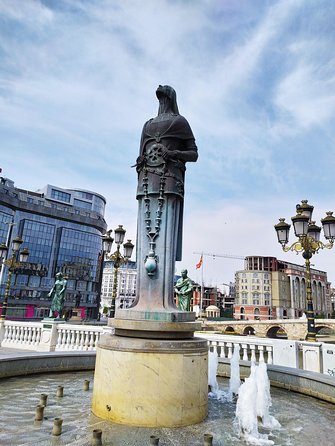
Day tour to Skopje, North Macedonia – Small Group
Read our review →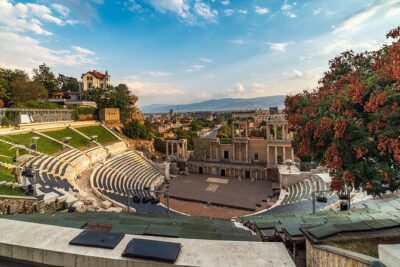
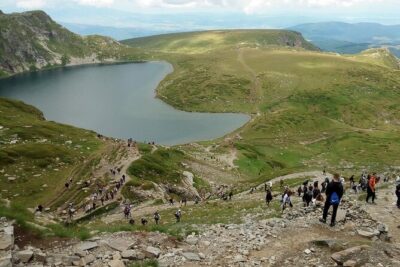
Rila Monastery and 7 Rila Lakes Self-Guided Shared Trip from Sofia
Read our review →Browse the lists this tour appears in